Timeline
-
2004 - 2005
The grassroots campaign
The CSF began as a student-led effort to give students more influence over campus sustainability through a grantmaking fund.
-
2006
Coalition building
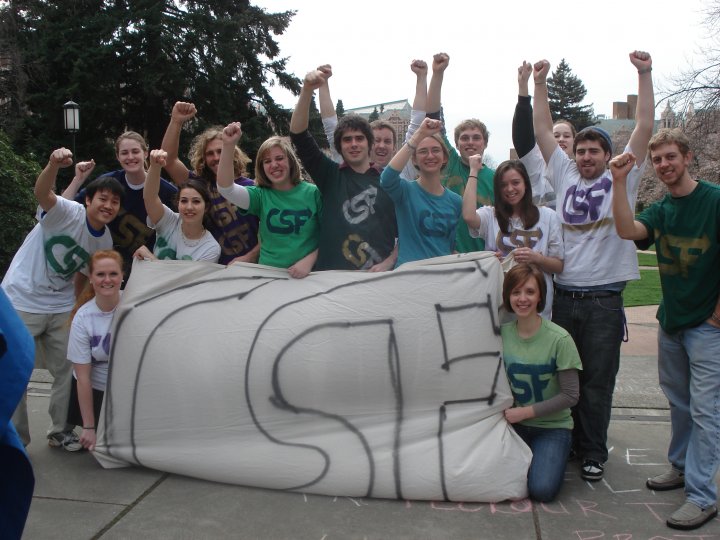
More than 50 students spent over 1,000 volunteer hours as the Campus Sustainability Fund Working Group, earning support from 52 RSOs, 5,511 student petition signatures, and faculty, staff, and departmental backing.
Image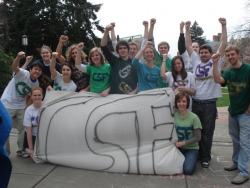
-
2007-2009
Building the fund
The CSFWG received 97 proposals totaling $4,332,400. Evaluation criteria included student leadership, environmental impact, behavioral change, education, feasibility, and accountability.
-
2009
Oversight structure
A seven-member student oversight board was created to review proposals and allocate funding.
-
2010
Advocating for change
The CSFWG petitioned to reallocate $5 per student of the Student Service and Activities Fee (SAF) to the CSF. There was pushback because it gave students total control over a large sum of $.
-
Student government approval
In March, ASUW passed Resolution 16-16 supporting the fund. In May, GPSS introduced Resolution 04.09-10, which also passed.
-
Fund launch
On May 18, 2010, the Campus Sustainability Fund was created and awarded $339,805 for its first year. Rather than a standalone fund, the CSF became a SAF unit, reapplying for funding annually for greater oversight.
Image
-
2010
First projects
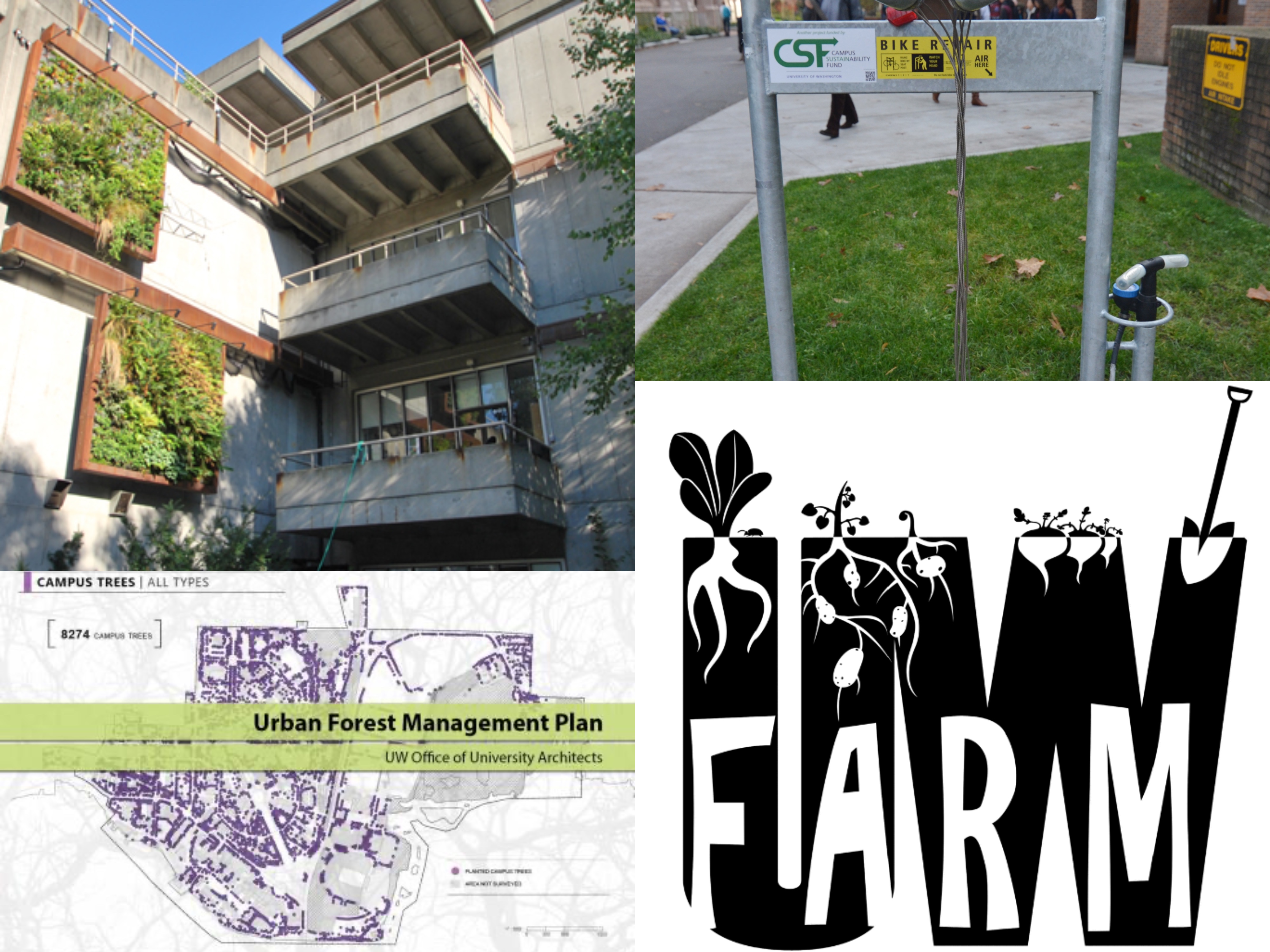
In its first year, the CSF approved 14 projects, including the UW Farm expansion, a biodiversity green wall, bike repair stations, an urban forest management plan, and an online ridesharing platform.
Image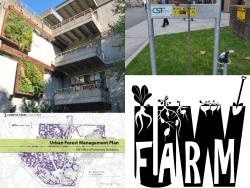
-
2010
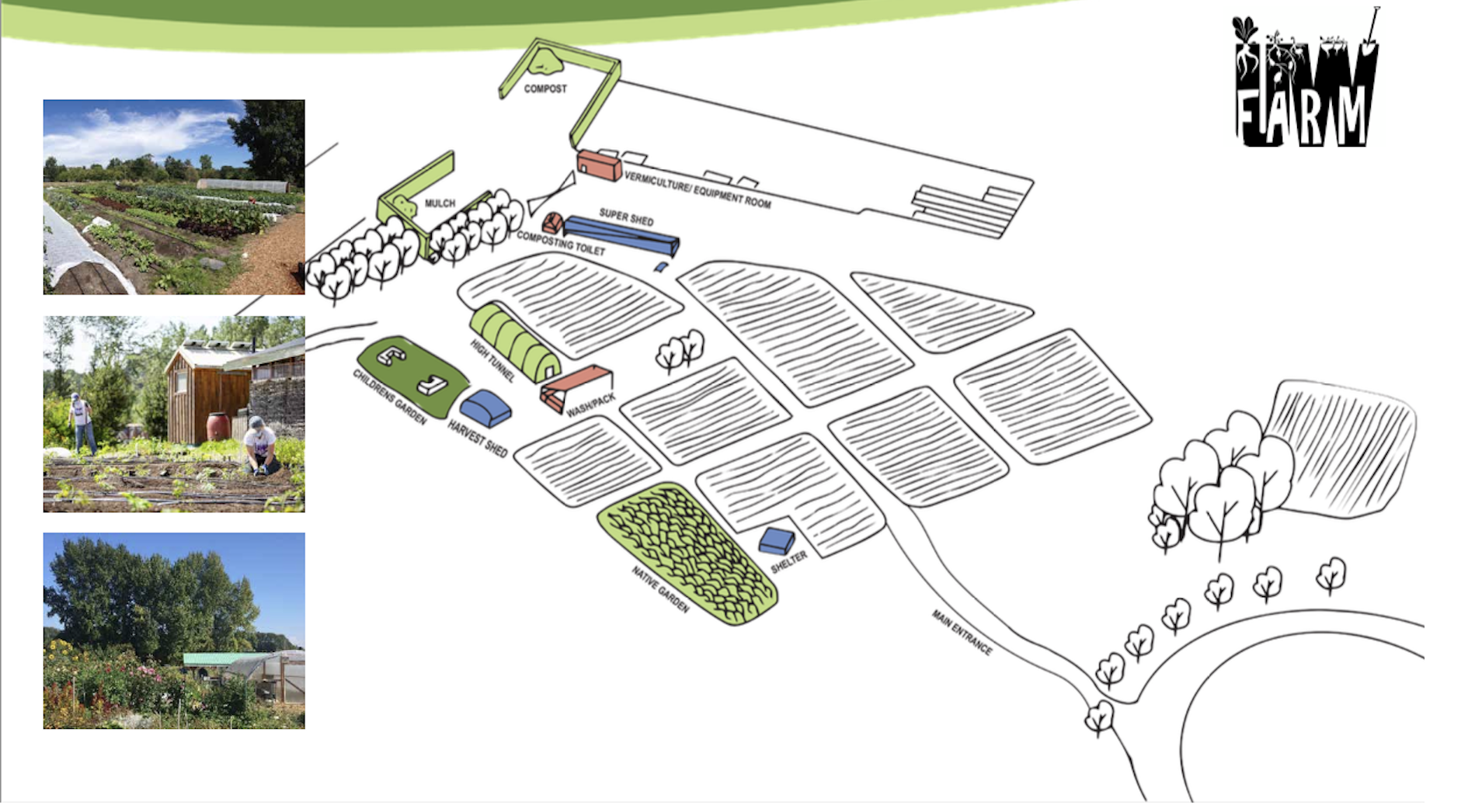
UW farm investment
The UW Farm received $80,000 to expand from a 1/3-acre educational site to a 1-acre urban farm at the Center for Urban Horticulture.
Image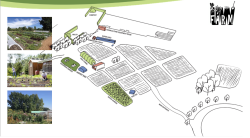
-
2012
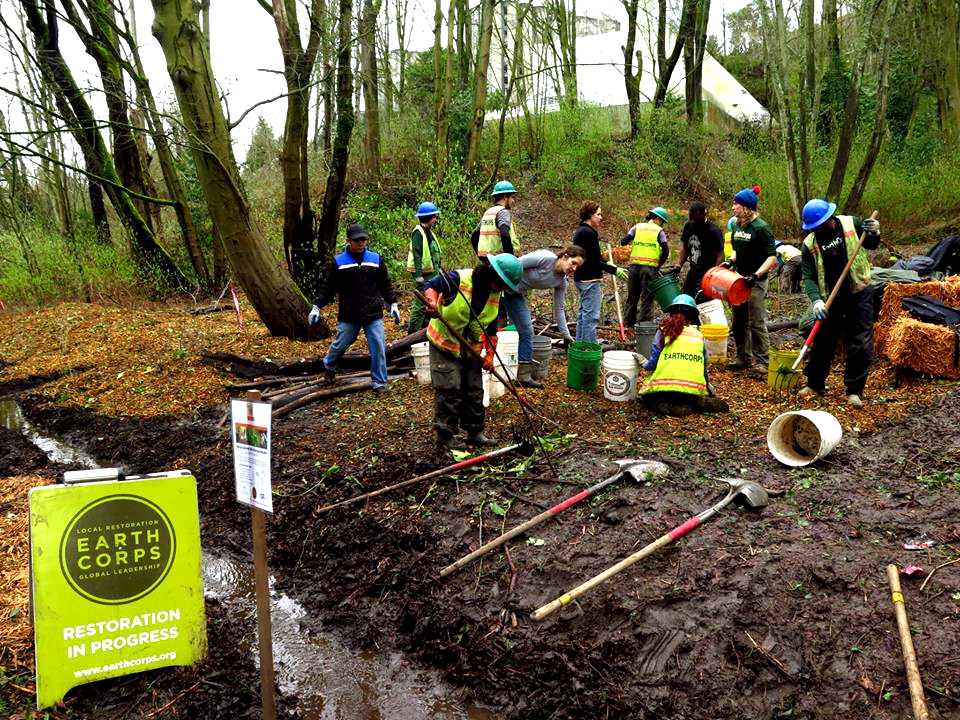
Kincaid ravine restoration
Kincaid Ravine, a 4-acre area overrun with invasive species and trash, received over $100,000 for restoration.
Image
-
2016
Mini-grant
Mini grants created with a cap of $1000 to increase accessibility to grantmaking for smaller projects.
-
2016-2017
CSF–STF collaboration begins
The CSF sought Student Technology Fee (STF) support for five projects totaling $48,700, and was approved.
-
2017-2018
Special project award
The CSF requested special project status from the STF Committee and received a full $200,000 allocation, to be renewed yearly.
Image
-
2018
Resilience lab collaboration
The CSF and UW Resilience Lab partnered to promote a resilient, compassionate, and inclusive campus through systems change. Seed grants were capped at $3,000 from 2018–2021 and raised to $5,000 in 2022.
Image
-
2018-2019
Committee shifts
Committee composition begins to shift from only Environmental Studies, Evans School of Public Affairs, and Urban Design & Planning. A new seat is introduced from Office of Minority Affairs and Diversity's Student Advisory Board to increse student representation.
-
2018-2019
First seed grants
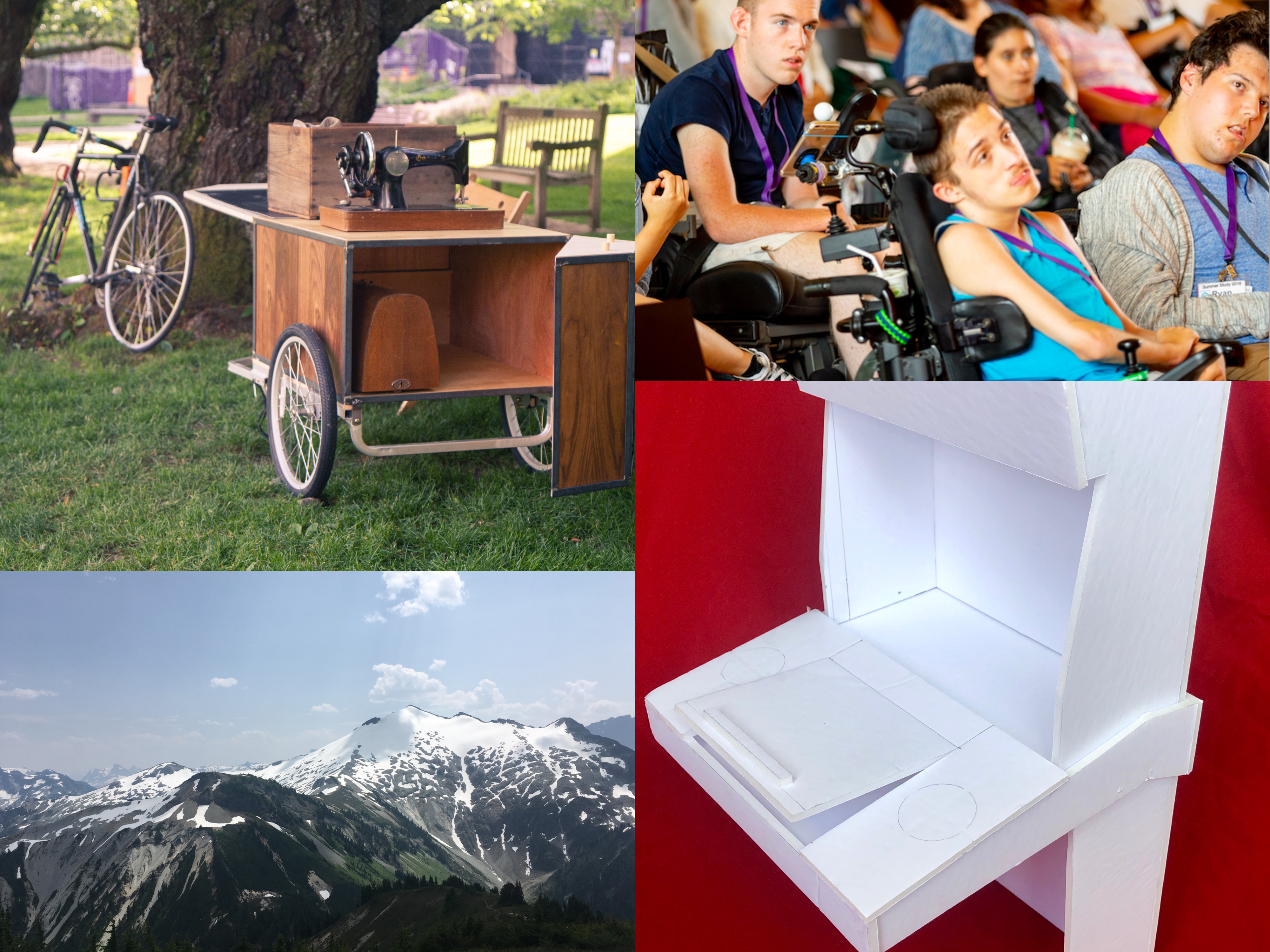
The 1st seed grant funded 20 projects, including a campus climate heat map, a community oral history toolkit, a mobile clothing repair cart, outdoor healing for queer and trans people of color, and a forum with people with disabilities.
Image
-
2020
Mini-grant boost
Mini-grant cap raised to $3,000 to encourage even more support of smaller scale projects.
-
2020
Social justice
In response to the George Floyd protests and ongoing police violence, the CSF and UWRL launched a special seed grant cycle focused on social justice and resiliency. 28 funded projects included a racial justice discussion series and Eraced Magazine, which amplified silenced voices.
Image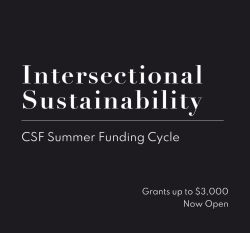
-
2021
GSA position created
A graduate GSA position, the CSF Coordinator, was approved and funded to cover full tuition and a salary, and later evolved into the Associate Program Director position.
-
2022
Continued growth
Mini-grant cap raised again to $5,000, CSF Resource Guide Created, and the Student Task Force was launched to push the UW Decarbonization Plan forward.
-
2022-2023
Committee evolution
The CSF Committee continued to shift in order to be more inclusive of UW student voices. New seats were added from the Wǝɫǝbʔaltxʷ - Intellectual House and UW Sustainability office.
-
2024
Program director hired
A professional staff position was created for program continuity and to alleviate stress on students, so they can dive deeper into their role specific responsibilities, academic journeys, and overall well-being.
-
2025
Logo redesign
Goal was to better represent our values of resilience, student empowerment, community care, and justice.
Image
-
2026-2027
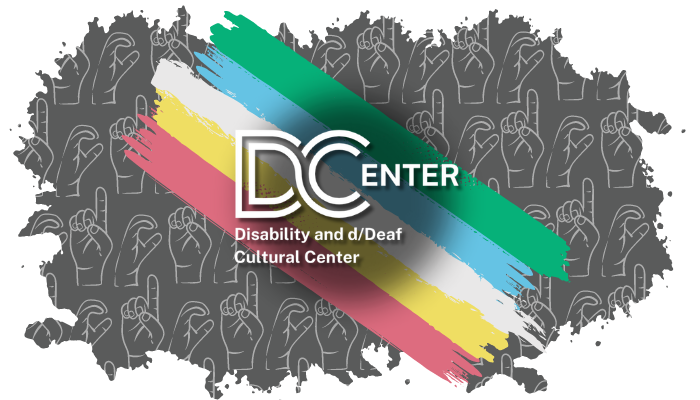
New committee seat
Created a new seat for the Disability and d/Deaf Cultural Center to increase representation in decision making on CSF projects.
Image