At a glance
Keraton is the annual cultural festival organized by the Indonesian Student Association at the… Read full summary
- Funding received
- 2025-2026
- Large
- Awarded
- $12,028
- Funding partners
-
- Services and Activities Fee (SAF)
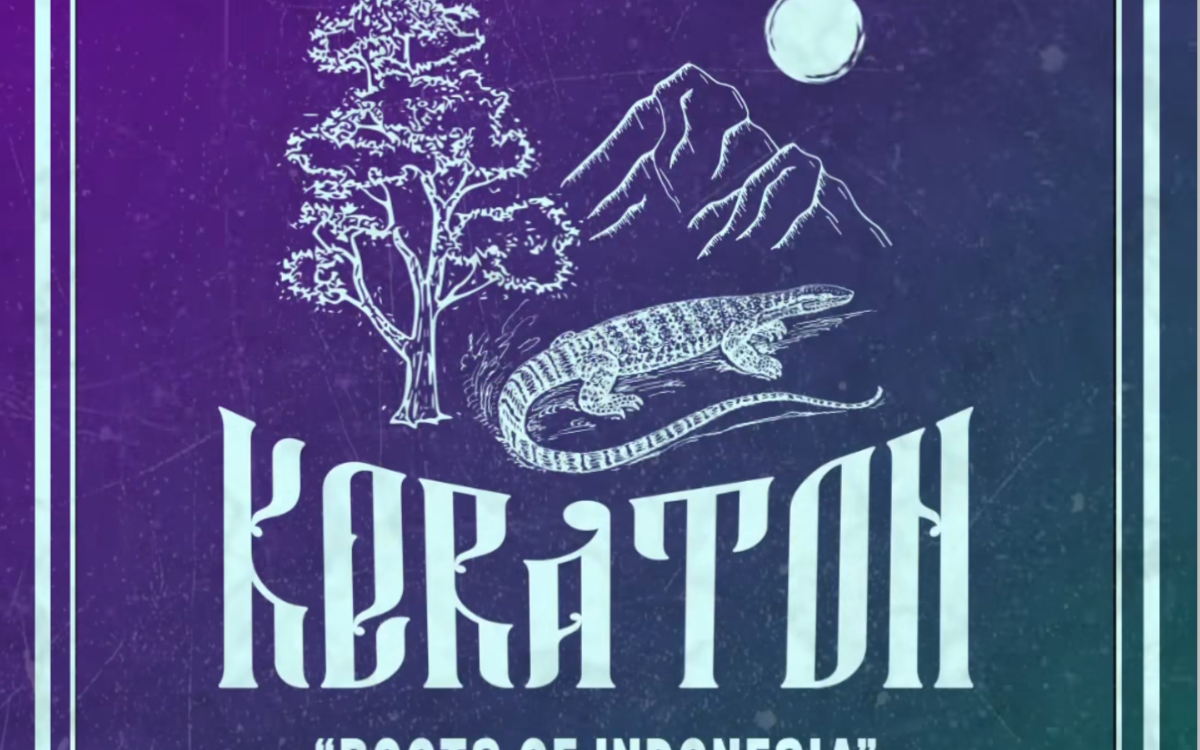
Keraton is the annual cultural festival organized by the Indonesian Student Association at the University of Washington, bringing approximately 5,000 students and community members together to celebrate the heritage, traditions, and diversity of Indonesia. Hosted at the HUB Lawn, the festival features traditional food vendors, cultural booths, live performances, and interactive educational activities such as coffee tasting and batik-making workshops. Keraton also provides meaningful leadership and professional development opportunities for approximately 45 student organizers, while fostering collaboration among student organizations and community partners across the Greater Seattle region. CSF funds support vendor equipment and necessary event costs like lighting, recycling, first aid, and insurance.
Keraton is the premier annual cultural festival organized by the Indonesian Student Association at the University of Washington (ISAUW), a 501(c)(3) nonprofit organization dedicated to promoting Indonesian culture, nurturing student leadership, and enhancing community involvement in the Greater Seattle region. Founded in 2001, ISAUW offers a platform for Indonesian students to foster community connections while honing their leadership and professional skills. Keraton embodies this mission and has evolved into ISAUW’s most distinguished event, recognized as the largest Indonesian cultural festival on the West Coast and the second largest across the United States, with around 5,000 visitors anticipated for 2026.
The Keraton event is scheduled for May 2, 2026, at the HUB Lawn, promising an engaging and immersive cultural experience for students as well as the wider Seattle community. This year’s theme, “Roots of Indonesia,” emphasizes the cultural heritage, traditions, and diversity present within the Indonesian archipelago. Attendees can look forward to traditional Indonesian food vendors, cultural booths, live performances, and interactive experiences. The programming will include a main performance stage along with educational activities such as coffee tasting and batik-making workshops that encourage participants to engage directly with various aspects of Indonesian culture.
In addition to celebrating culture, Keraton functions as a student-led initiative focused on sustainability and education that aligns with the University of Washington’s broader sustainability efforts. Instead of introducing new systems from scratch, Keraton utilizes UW’s existing composting and recycling infrastructure during this high-attendance event to promote effective waste management through active participation. Continuing previous initiatives, this year’s event will employ biodegradable and compostable utensils and packaging; establish clearly marked waste stations; encourage responsible sorting practices among attendees and volunteers; and reduce paper waste by facilitating paperless transactions. Collectively, these measures contribute to advancing UW’s overall sustainability objectives while fostering greater engagement.
Furthermore, Keraton acts as a significant platform for leadership development and professional growth. Approximately 45 officers from ISAUW assume various roles related to operations, marketing, finance, logistics, and event execution. Gaining practical experience in project management alongside cross-functional teamwork. The event also broadens its impact through collaborations with student organizations and volunteers from various colleges throughout Greater Seattle; nearly half of participating vendors are sourced from external student groups. This inter-institutional partnership enhances community involvement while promoting intercultural exchange beyond UW.
Additionally, Keraton provides clear educational benefits. Attendees will deepen their understanding of Indonesian culture while engaging in hands-on practices related to sustainability such as composting and recycling initiatives. By merging cultural programming with active participation opportunities, the festival fosters both intercultural understanding and environmentally responsible actions, encouraging ongoing engagement even after the event concludes.
With an estimated budget of around $52,590, Keraton represents a viable initiative grounded in over ten years of successful implementation. Funding from CSF will aid in maintaining and enhancing sustainability-focused practices within this event framework, ensuring that Keraton continues serving as a replicable model for student-led programs that integrate environmental stewardship alongside leadership development and community impact at the University of Washington.
Disney Joey Purwo
Project lead
- dpurwo@uw.edu
- Affiliation
- Student
- Years
- 2 year(s) remaining at UW
- Affiliated groups
- Indonesian Student Association at UW
Ryan Alexander
Team member
- ryanalex@uw.edu
- Affiliation
- Student
- Years
- 1 year(s) remaining at UW
- Affiliated groups
- Indonesian Student Association at UW
Sharon Sutandinata
Team member
- sharons2@uw.edu
- Affiliation
- Student
- Years
- 1 year(s) remaining at UW
- Affiliated groups
- Indonesian Student Association at UW
Nemuell Handoyo
Team member
- nem409@uw.edu
- Affiliation
- Student
- Years
- 1 year(s) remaining at UW
- Affiliated groups
- Indonesian Student Association at UW
Calista Walla
Team member
- calistav@uw.edu
- Affiliation
- Student
- Years
- 1 year(s) remaining at UW
- Affiliated groups
- Indonesian Student Association at UW
To whom it may concern,
ISAUW is a 501(c)(3) non-profit cultural organization dedicated to promoting the diverse Indonesian culture to the communities in the Greater Seattle area. ISAUW’s vision is to become the leading Indonesian Student Association in the United States. We aim to achieve this by building a respectful, well-rounded, diverse, yet nationalistic young Indonesian community in the Greater Seattle Area and in the United States. Established for over ten years, ISAUW would like to improve the legacy of our previous years and hold the most successful Keraton Indonesian Festival to date.
As the largest Indonesian cultural event on the West Coast and second largest in the United States, Keraton has experienced high growth, cumulating over 16,000 attendees since Keraton in 2019. ISAUW expects 5,000 visitors and will be showcasing the diversity of Indonesia’s many islands through traditional food, dance, music, and art. Beyond ISAUW’s purpose of entertaining and educating the community about Indonesia, we also wish to create a memorable Indonesian experience. This year, the theme for Keraton will be 7 wonders of Indonesia. In addition, we are planning to have a coffee-tasting booth and batik awareness and creation booth that we have at the festival annually and many more booths designed to enrich the visitors’ knowledge about Indonesia and Indonesia’s landmarks. With this, ISAUW would like to apply for CSF funding to make Keraton possible again this year.
ISAUW guarantees CSF that Keraton always has and will continue to deliver a sustainable impact. We will also promote leadership, student involvement, education about Indonesian culture, reach out to the Seattle community and encourage positive behavior change amongst our members and the campus community. Last but not least, throughout the years, Keraton has instilled important values and taught our members essential life skills such as accountability, teamwork, and respect.
Sustainable impact: In terms of social sustainability, Keraton promotes volunteerism and community engagement, both ISAUW members tasked with planning Keraton and our visitors. Assembling for this event annually, ISAUW has created multiple opportunities for volunteering as well as engaging the Greater Seattle community to make this event possible. The aim of Keraton is to build awareness of Indonesian culture and showcase the diversity of the University of Washington. ISAUW members are also highly concerned about the environment thus making environmental sustainability a top priority for our organization. Following the events of the past two years, Keraton is to be held in an outdoor location, Rainer Vista, where it would attempt to utilize less energy compared to an indoor space. This location would also be accessible for Metro users, as well as people who choose to attend by bikes with there being available bike racks. Moreover, ISAUW can assure CSF that our Keraton is 99% compostable as we require all of Keraton’s food vendors to use compostable and sustainable supplies of packaging and limit food waste, and we would also reduce waste by providing recycling, composting and landfill bins to collect waste. Hence, through Keraton, ISAUW is able to showcase and educate the community in Seattle about the diverse Indonesian Culture. Through the celebration of Indonesian Culture at Keraton, ISAUW is able to empower and educate the Seattle-lite community paving the way for empowerment, equity and inclusion which are foundational for social sustainability.
Leadership and student involvement: Throughout the years, ISAUW has always put huge emphasis on creating leaders. The large commitment expected of our members prepares them for real life work experiences. Not only are they involved in initiating events to promote Indonesian culture, members are also involved in marketing communication, information technology, creativity management and many more. In terms of Keraton, the volunteers ISAUW receive are also students from community colleges and universities in the Greater Seattle Area, including Edmonds Community College, Shoreline Community College, Bellevue Community College and more. Moreover, almost half of the food vendors in Keraton are contributed by other Student Organization Bodies from various Community Colleges and Universities, such as The Indonesian Student Association of Seattle University (ISASU), Bellevue Indonesian Club (BIC), ISANS (Indonesian Student Association of North Seattle College) and more. Hence, ISAUW members can expand their channels and meet new people from various different backgrounds, as well as creating new experiences for students which would be useful for their future endeavors.
Education, outreach and behavior change: Keraton is consistently well received by both Indonesian and non-Indonesian attendees, many of whom leave with a deeper understanding of Indonesian culture and identity. Beyond its cultural impact, Keraton strengthens campus engagement through active collaboration with student organizations and volunteers across the university.
Keraton also functions as a hands-on learning and outreach platform. ISAUW members take on real responsibilities in marketing, accounting, design, logistics, and event operations, developing leadership, accountability, and cross-department collaboration skills in a professional, team-based environment. At the same time, Keraton engages the broader campus by involving volunteers in event preparation and execution, fostering intercultural exchange, community participation, and sustained engagement that extends beyond the event itself.
Feasibility and Accountability: As mentioned above, ISAUW members take on big roles and are expected to fulfill them. As ISAUW officers we encourage them to continuously showcase their project management skills. Members in different departments have to work together to achieve the vision and mission of the organization. They complete numerous challenging tasks, engage with real professionals and are also committed to lobbying for funds put into Keraton, allocate the fund appropriately and use it as wisely as possible to make the execution of Keraton successful.
Rick Young
Advisor
- ryoung95@uw.edu
- Affiliation and department
- Student Activities Office
- Stakeholder approval form
Request amount and budget
The Keraton budget breakdown displays all our anticipated expenses. The main categories are: facilities, staging & sound, vendors area, decorations, volunteers & performance, IT, and marketing.
The largest category is volunteers and performers, at $16,000, which includes the guest star fee, officer T-shirts, and volunteers' expenses. Second would be facilities, at $13,450, which includes tenting, insurance, first aid, electricity, and recycling. Third would be staging & sound, at $12,000, which includes instruments, lights, and sound system.
Booth setup, permits, and game materials are in the Vendors Area category, at $6,400, while Decorations contribute $1,500 to enhance the overall festival atmosphere. IT expenses are relatively small at $400, covering payment systems, while marketing totals $900 for promotional materials and social media outreach.
Altogether, these categories contribute to a total projected cost of $50,650.
How the project will react to funding reductions
Keraton is a significant event anticipated to attract around 5,000 attendees, and securing the requested CSF funding is crucial for supporting essential infrastructure, sustainability initiatives, and the overall management of the event. Although ISAUW intends to make adjustments in response to any funding cuts, the scale, accessibility, and quality of the event are closely linked to the resources provided.
In the case of a 10% funding reduction, ISAUW would implement minor modifications by cutting expenditures on non-essential aspects like decorations and certain visual enhancements. However, the fundamental structure of the event including programming, vendor involvement, and sustainability practices would remain intact, resulting in minimal changes for attendees.
If faced with a 20% reduction in funding, ISAUW would have to revise the scope of its programming and participant experience. This might entail decreasing the number of cultural booths or restricting certain interactive activities while also scaling back supplementary programs designed to enhance engagement. Despite still operating at full capacity, attendees would encounter fewer opportunities for immersive cultural interactions and educational experiences.
A 50% reduction would necessitate substantial structural and operational changes. This could involve shrinking the overall size of the event footprint, limiting vendor or participant numbers that can be accommodated, and reducing vital infrastructure needed for a large audience. Additionally, logistical elements such as volunteer availability, equipment access, and crowd management resources would be limited, which would affect both accessibility and safety at the event. At this level of funding cutback, Keraton would still occur but as a significantly smaller and less impactful gathering.
While ISAUW is dedicated to making responsible adaptations as needed, obtaining the full requested funding is essential for ensuring that Keraton can provide a safe, inclusive, and impactful cultural experience for both the University of Washington community and greater Seattle area.
Plans for financial longevity
The long-term financial management of Keraton is facilitated by a structured and centralized system overseen by ISAUW's Director of Finance and our advisor Rick Young, ensuring accountability, transparency, and continuity during leadership changes.
All funds related to Keraton, including CSF funding and various revenue streams, are handled by the finance department using a unified budgeting framework. Each organizational department, such as Operations, Marketing, and Sponsorship submits its anticipated expenses and budget requirements ahead of time. The Director of Finance reviews these requests and distributes them into specific budget categories (e.g., facilities, staging and sound, vendors, marketing), confirming that all expenditures conform to the overall approved budget.
To regulate spending effectively, ISAUW implements a straightforward approval and tracking protocol. Any expense must receive authorization from the Director of Finance prior to fund allocation. Once authorized, the expense is logged and classified within a centralized budget tracker, which enables real-time observation of expenditure across departments. All purchases and reimbursements necessitate supporting documentation like receipts to guarantee accuracy and deter fund misuse.
Financial oversight is bolstered through regular consultations between the Director of Finance and advisor Rick Young, who offers guidance to ensure that funds are utilized appropriately in alignment with both university standards and funding stipulations. This additional layer of scrutiny helps avert misallocation while maintaining accountability and transparency in financial decisions.
To promote long-term continuity, ISAUW upholds consistent budgeting practices and financial records year after year. Historical budgets, detailed expense reports, and allocation strategies are documented for incoming finance teams as reference points for future planning. This approach allows new leaders to build on an established framework instead of developing new financial procedures from scratch, thus minimizing the potential for errors during transitions in leadership.
Keraton also employs a diversified funding strategy that may include institutional support, sponsorships, and fundraising initiatives. This strategy decreases dependence on any single source of funding while enhancing the event's long-term financial viability.
By integrating centralized financial oversight with defined approval protocols, comprehensive tracking systems, and advisory supervision, ISAUW guarantees that Keraton's financial management remains stable, transparent, and sustainable beyond current leadership tenures.
The project timeline spans three academic quarters, where we plan, execute, and wrap up events.
During the Autumn quarter, we will focus on theme development, initiate small-scale fundraising activities (baking and selling our signature dessert, packaged in an environmentally friendly mason jar, to the student population in the Greater Seattle Area), and create a rough budget plan to estimate costs and revenues.
In the Winter quarter, the project plan focuses on planning and coordination for major events, including logistical arrangements, equipment rentals, decorations, food arrangements, and sponsorship engagement. Including logistical arrangements, equipment rentals, decorations, food arrangements, and sponsorship engagement. Additionally, the communications and marketing departments will create promotional content, trailers, social media campaigns, and documentation.
The Spring quarter focuses on execution, wrap-up, and project closure. During this period, major events are executed, decorations, props, artist performances, layouts, prizes, foods, games, and other activities take place. Once the events are completed, the project team focuses on financial reconciliation, reimbursement, and reporting.
Plans for long-term project management
ISAUW guarantees the long term continuity of Keraton by implementing a systematic approach to leadership development, distributing responsibilities across various roles, and maintaining a well-defined organizational structure. Although the current executive team including the President, Vice President, and several directors, will not retain their positions in the next school year, ISAUW has initiated a proactive transition strategy to equip incoming leaders for the ongoing success of the project.
Keraton operates within a multi-departmental framework that includes Operations, Finance, Communication & Outreach, along with supporting teams such as Event Organizing, Creative Engineering, Inventory Management, Marketing, Design, Documentation, Web Development, Sponsorship, Fundraising, and Treasury. Each department is guided by a leader and backed by numerous members to ensure that knowledge and duties are disseminated across teams rather than resting solely on one individual. This arrangement enables underclassmen and newer participants to engage actively in planning and execution processes while preparing them for future leadership positions.
To facilitate succession planning, current leaders are engaged in training officers throughout both the planning stages and operational execution. Officers participate in key aspects of decision-making such as vendor coordination, budgeting management, logistics organization, and event operations. Providing them with valuable hands-on experience. This method ensures that new leaders become acquainted with Keraton’s organizational structure and develop the ability to oversee its components independently.
ISAUW also benefits from Keraton being an annual event with a well-established timeline and workflow. The organization has developed repeatable processes for planning activities, outreach efforts, and execution strategies which serve as a foundation for successive teams. These systems diminish reliance on any single leader while ensuring continuity even amid changes in leadership personnel.
Furthermore, ISAUW’s collaborative model enhances project sustainability by involving multiple student organizations and community partners throughout the Greater Seattle area. This collaboration creates an extensive support network that transcends the core leadership team while fostering continuity through shared participation and institutional familiarity with the event itself.
By combining structured delegation practices with active mentorship initiatives and established organizational frameworks, ISAUW ensures that Keraton remains sustainable beyond the current leadership shift. These strategies empower new leaders to assume their roles equipped with essential experience and support necessary for successfully executing Keraton in forthcoming years.
Problem statement
While the University of Washington has implemented robust sustainability systems including composting, recycling, and initiatives that encourage responsible consumption there remains a significant challenge in ensuring these systems are utilized effectively during large-scale campus events. High-attendance events often produce considerable waste, and despite having the necessary infrastructure, items are commonly mis-sorted or excessively used. This undermines UW's sustainability efforts and reveals a disconnect between available systems and actual user behavior.
This challenge is informed by ISAUW’s firsthand experiences coordinating Keraton in prior years. One major issue noted was improper waste disposal, where compostable and recyclable materials were incorrectly placed in bins due to insufficient awareness or guidance. Furthermore, earlier versions of the event employed less sustainable methods, such as using non-compostable products and food trucks that increased carbon emissions. These experiences highlighted that while sustainability infrastructure is present, there is a crucial need for deliberate implementation, education, and engagement during high-traffic events.
Keraton 2026 aims to tackle this issue by emphasizing behavioral engagement and the practical application of sustainability practices. Large cultural events offer a distinctive opportunity to connect with a diverse audience in an environment where sustainable systems can be actively experienced rather than just observed. By weaving sustainability into both the planning and execution of the event, Keraton encourages participants to actively engage with composting, recycling, and waste reduction efforts.
Additionally, there is a pressing need for accessible and inclusive education on sustainability. Awareness of sustainability issues varies among different communities; not all students or attendees may have prior knowledge of these systems. As an event centered on culture that draws both Indonesian and non-Indonesian participants, Keraton serves as a platform to introduce sustainability in an engaging manner that resonates with attendees rather than being solely informative.
The project's development also reflects ISAUW’s ongoing dedication to student leadership and community impact. Through organizing Keraton, students have come to recognize the necessity of incorporating sustainability into large-scale event planning while continuously enhancing practices based on previous challenges encountered. This iterative method aligns with a broader objective of harmonizing cultural programming with environmental stewardship.
Ultimately, the core issue Keraton seeks to resolve is not the absence of sustainability infrastructure at UW but rather the disconnect between availability and consistent informed usage especially in high-impact contexts like large events. By bridging this gap, the initiative aims to enhance the effectiveness of existing systems while promoting long-term behavioral change among participants.
Problem context
The University of Washington has implemented robust sustainability systems throughout its campus, which include composting and recycling facilities, alongside initiatives aimed at encouraging responsible consumption and minimizing waste. Nonetheless, a significant challenge persists in ensuring consistent application and engagement with these systems during large-scale events that attract high attendance. Such events typically produce considerable waste, and despite the presence of appropriate infrastructure, there is often mis-sorting of materials or excessive usage stemming from limited awareness, ambiguous instructions, or insufficient enforcement.
This issue is highlighted by ISAUW’s firsthand experiences in organizing Keraton in prior years. A frequent problem noted was the incorrect disposal of waste, with compostable and recyclable items being placed in inappropriate bins. Furthermore, previous years of Keraton utilized less sustainable methods like non-compostable products, leading to increased carbon emissions and waste generation. These experiences underscored that the primary obstacle lies not in the lack of sustainability systems at UW but rather in the disconnect between available infrastructure and user behavior, especially within temporary high-traffic settings.
Keraton 2026 aims to bridge this disconnect by enhancing UW’s existing sustainability framework rather than introducing new systems. The event will utilize UW’s composting and recycling infrastructure while improving accessibility and visibility through clearly marked waste stations and strategic bin placement to minimize contamination. Training for volunteers along with on-site guidance will ensure that participants receive active support for adhering to proper waste management practices.
Additionally, Keraton incorporates sustainability strategies that are aligned with UW’s overarching environmental objectives. This includes ongoing use of biodegradable and compostable materials, reduced energy consumption through limited lighting options, and paperless transactions designed to lessen material waste. Transitioning from food trucks to booth-based vendors also diminishes carbon emissions linked to transportation and fuel consumption. These initiatives work synergistically with UW's current programs, enhancing their effectiveness within a real-world event context.
Keraton fosters greater collective action by establishing an environment where sustainable practices are not only accessible but actively experienced by a diverse audience. With an anticipated attendance of around 5,000 individuals including UW students and members from the wider Seattle community the event broadens the impact of UW’s sustainability efforts beyond academic settings into practical engagement. By promoting participation in waste sorting, responsible consumption habits, and sustainable event practices, Keraton encourages behaviors that attendees can apply across other aspects of campus life.
In summary, Keraton 2026 integrates seamlessly into the UW sustainability ecosystem by addressing the gap between available infrastructure and actual behaviors. Through leveraging existing systems on a larger scale while enhancing accessibility and participation and embedding sustainability into a culturally relevant event the project complements ongoing initiatives at UW while contributing to broader collective environmental outcomes.
Measure the impacts
| Impact / goal | Metric(s) of success | UW stakeholders impacted |
|---|---|---|
| Cultural Education & Engagement | ~5,000 attendees engaged at Keraton 2026. At least 2–3 interactive cultural booths (e.g., batik, coffee). Post-event survey measuring increased cultural awareness and learning outcomes. | Undergraduate, Graduate, Alumni |
| Sustainability Behavior and Waste Reduction | 99% compostable utensils and packaging used. Add 3 more waste stations to reduce misplaced waste. Volunteer training conducted to ensure proper waste sorting. | Undergraduate, Graduate, Alumni, Admin staff |
| Student Leadership and Professional Development | 45 student officers involved in planning and execution. 10-20 additional student volunteers engaged from UW and other institutions. Participation across multiple departments (operations, marketing, finance, sponsorship). | Undergraduate, Graduate |
Education and outreach goals
Keraton Overview and Outreach Strategy
Keraton gets positive reception among both Indonesian and non-Indonesian attendees, many of whom depart with an enriched appreciation for Indonesian culture and identity. Building upon this influence, ISAUW plans to promote Keraton 2026 through a comprehensive outreach strategy that integrates digital engagement, face-to-face interactions, and visibility across the campus. The objective is to maximize attendance while fostering significant cultural and educational experiences. In addition to celebrating cultural heritage, Keraton enhances campus involvement by collaborating actively with student organizations and volunteers throughout the university, functioning as both an outreach initiative and a practical learning platform.
Digital Engagement
ISAUW intends to leverage its Instagram and TikTok accounts as primary channels for outreach. Content will be consistently shared leading up to the event, including promotional videos, highlights of performers and vendors, as well as educational materials linked to the theme “Roots of Indonesia.” These platforms will not only serve promotional purposes but also introduce elements of Indonesian culture ahead of time by featuring traditional foods, customs, and regional diversity. This early exposure enables students to engage with cultural dimensions of Keraton prior to their attendance, enhancing awareness and understanding.
On-Campus Activities
In-person engagement will take place at Red Square, one of the University of Washington’s most frequented locations, through periodic tabling efforts. During these sessions, ISAUW members will interact directly with students by presenting information about Keraton, clarifying the event’s objectives, and addressing inquiries. This method allows ISAUW to connect with individuals who may be unfamiliar with Indonesian culture while gradually building awareness through consistent personal interaction.
Physical Outreach
ISAUW will also employ physical outreach methods by displaying posters throughout campus in academic buildings, residence halls, and communal spaces. These posters will convey straightforward information about the event ensuring that those who might not use social media are informed. This multi-faceted approach enhances accessibility and guarantees wide-ranging visibility among various student demographics.
Experiential Learning Platform
As an experiential educational platform, Keraton empowers ISAUW members to assume real responsibilities in areas such as marketing, accounting, design, logistics, and event management. Through this involvement, students cultivate leadership qualities along with accountability skills in a collaborative environment focused on teamwork. Concurrently, the event engages the wider campus community by involving volunteers in preparation processes that promote intercultural exchange and sustained participation beyond the event itself.
Interactive Cultural Experiences
The event promises interactive cultural booths including batik stations and coffee-tasting experiences that allow attendees to engage actively in Indonesian cultural traditions. These participatory activities offer a more profound level of involvement than passive observation alone does; they enable attendees to appreciate the cultural significance behind each experience deeply.
Live Performances
Keraton will feature live performances on its main stage (Panggung Nusantara), highlighting traditional Indonesian dance and music forms. These performances act as informative mediums that present cultural narratives in an engagingly accessible way. In past editions of Keraton, well-known artists like Sunkis and Keenan Te have performed as headliners to broaden outreach efforts while increasing student engagement levels. Such performances serve as gateways for attracting diverse audiences who might not typically participate in cultural programming. By harnessing this initial interest from entertainment-based engagement opportunities transition into interactive learning via booths or hands-on experiences.
Fostering Intercultural Exchange
The event facilitates intercultural exchange and community involvement by drawing both Indonesian nationals and international attendees together creating avenues for cross-cultural dialogue and learning opportunities. ISAUW members alongside volunteers foster this exchange by interacting with guests throughout the occasion responding queries whilst sharing insights regarding their culture.
Sustainability Initiatives
Moreover, Keraton incorporates sustainability initiatives into its outreach efforts through mechanisms like composting stations encouraging environmentally responsible practices among participants during events which educate them about sustainable operations while reinforcing ecological awareness overall.
Through targeted promotion strategies combined with consistent campus presence alongside immersive educational programs Keraton aims towards achieving numerous significant educational objectives: fostering deeper understandings surrounding aspects pertaining regional diversity traditions inherent within Indonesian culture themed under “Roots Of Indonesia”; offering hands-on exposure via interactive tasks such as batik making & tasting coffee; promoting intercultural cognizance facilitating dialogues between diverse groups attending inclusive gatherings; finally supporting education relating sustainability encouraging responsible waste management practices ultimately raising consciousness around environmentally friendly behaviors.
Student involvement
Throughout its history, ISAUW has prioritized the development of student leaders, instilling a commitment in its members that prepares them for real-world professional engagements. The Keraton 2026 event embodies this objective by offering numerous avenues for student participation, both in leadership positions and through active involvement. ISAUW is has around 45 officers from various departments, each contributing significantly to the planning and execution of the event.
Students engage across diverse functional areas such as event coordination, marketing communication, information technology, and creative management, enabling them to experience different facets of organizational operations.
Those involved in the Operations and Event Organizing teams cultivate robust project management and logistical competencies. Their responsibilities include coordinating timelines, managing vendor arrangements, and ensuring seamless execution during the event. This experience teaches students how to manage large-scale initiatives, adapt to unforeseen challenges, and function effectively in fast-paced settings skills that are valuable across various future career paths.
In the Marketing department, students acquire skills in digital communication, branding, and audience engagement. They are tasked with creating and managing content for platforms like Instagram and TikTok, devising promotional strategies, and evaluating which types of content resonate most effectively with their peers. These activities help students develop practical expertise in social media marketing and communications fields that are increasingly relevant across multiple industries.
The Sponsorship team offers students practical experience in outreach efforts and relationship management. They interact with external partners to convey Keraton’s value proposition while nurturing sponsor relationships. This role cultivates essential skills in networking, negotiation, and professional communication critical for internships and future careers.
Participation in the Finance team provides students with insights into budgeting and financial oversight. They learn how to allocate funds among departments responsibly while monitoring expenses to ensure compliance with approved budgets. This hands-on exposure enhances their understanding of financial management within real organizational contexts.
Beyond officers, Keraton also engages a significant number of student volunteers from UW as well as other institutions in the Greater Seattle area including Edmonds Community College, Shoreline Community College, and Bellevue College. Volunteers may undertake roles such as photography or cashiering alongside general event support without requiring prior experience. These positions offer valuable opportunities for skill development; for instance, cashiers enhance their customer service abilities while honing communication skills through direct interactions with attendees. Such experiences foster confidence-building and strengthen interpersonal skills as they engage professionally with a varied audience. Similarly, photography volunteers gain insights into content creation and event documentation that can enrich their creative portfolios.
Keraton additionally promotes strong networking opportunities within the community with other student organisations (PERMIAS, BIC). These partnerships enable ISAUW members and volunteers to broaden their networks by connecting with individuals from diverse backgrounds while fostering relationships that could lead to future collaborations or opportunities.
Moreover, Keraton highlights collaborative learning since students from different departments must cooperate effectively to execute the event successfully. This structure mirrors actual organizational environments where teamwork is vital for coordination and effective communication.
In summary, Keraton functions as a practical learning environment where students apply academic knowledge in real-life scenarios. Through leadership roles alongside departmental duties or volunteer work opportunities within ISAUW, participants acquire hands-on experience across areas like event planning, marketing finance communication operations gaining not only immediate involvement but also transferable skills along with professional connections that bolster their academic pursuits or career aspirations.